PAF-IAST Hosts High-Level Seminar on “NFC Award Share & Challenges Faced by KP Government”
1 December 2025 | Haripur
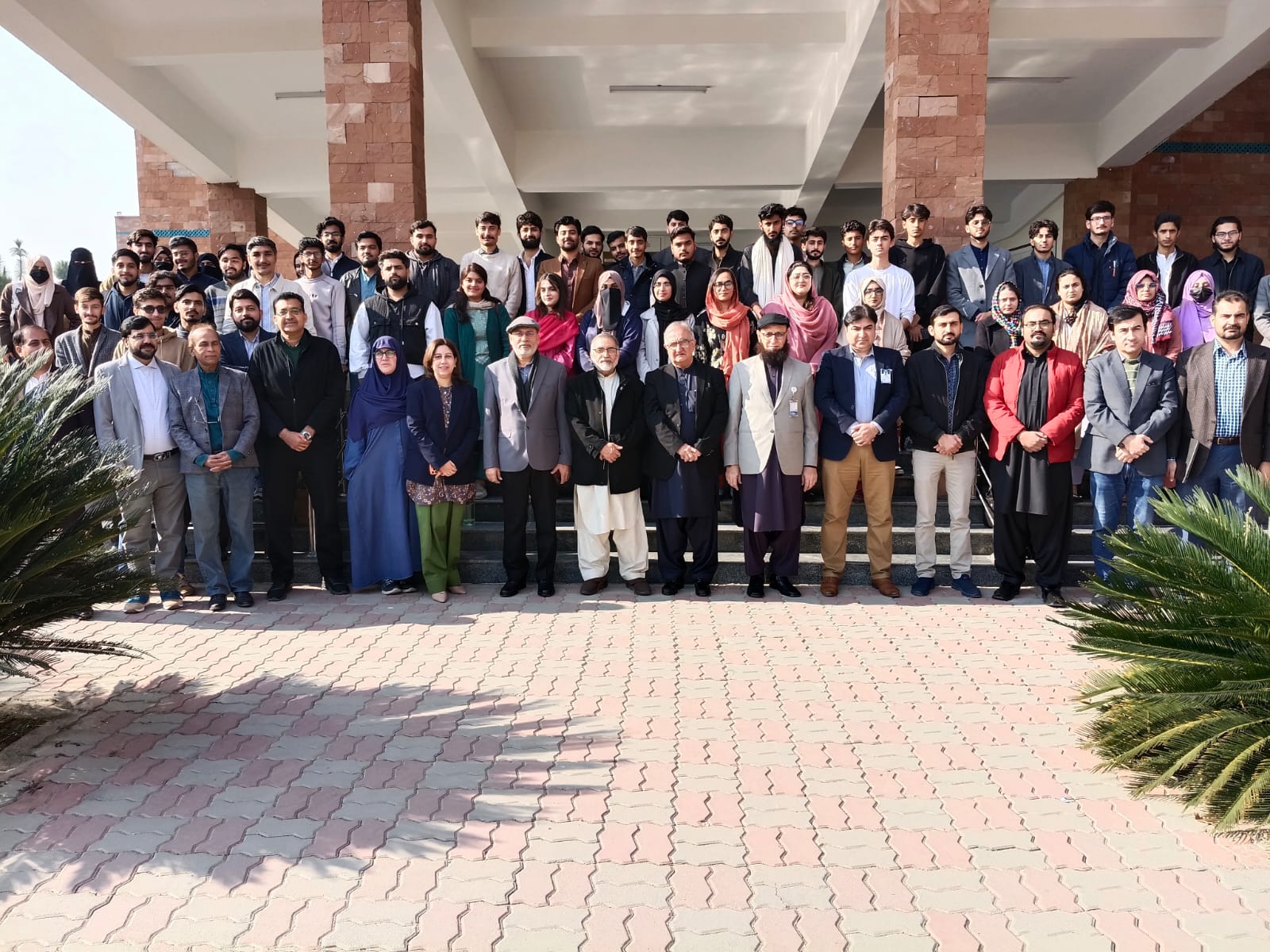
PAF-IAST hosted an engaging seminar titled “NFC Award Share & Challenges Faced by KP Government” on 1st December 2025, bringing together students, faculty members, and participants from management for an insightful academic dialogue on one of the most significant public finance issues impacting Khyber Pakhtunkhwa.
The session was led by Mr. Muhammad Faheem, a senior Public Financial Management expert and retired Accountant General of KP, who has served in various key positions across Pakistan’s financial governance landscape. With over four decades of experience in financial management, audit reforms, and capacity-building initiatives with national and international institutions, Mr. Faheem offered a grounded and academically rich perspective on the subject.
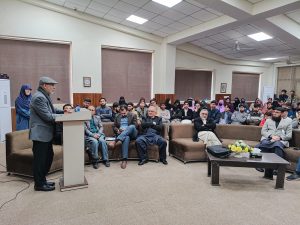
In his talk, he unpacked the complexities surrounding KP’s share in the NFC Award and explained how historical trends and current allocations have shaped the development trajectory of the province. The session opened with a clear introduction to the National Finance Commission (NFC) as Pakistan’s core fiscal distribution mechanism, outlining how its formulas have evolved from a population-based approach to a more balanced framework that incorporates poverty levels, revenue generation, backwardness, and inverse population density. Within this historical progression, the 7th NFC Award emerged as a pivotal milestone, expanding provincial shares and formally recognizing multiple distribution criteria. Yet, despite these advancements, Khyber Pakhtunkhwa continues to face structural limitations, particularly after the merger of the former FATA regions. The province’s developmental and administrative responsibilities have expanded significantly, but the financial merger has lagged behind, creating a disconnect between constitutional obligations and the resources actually made available.
This gap has translated into practical challenges for KP in planning, budgeting, and service delivery across its vast and historically underserved merged districts. Development projects face delays, funding streams remain constrained, and provincial departments often struggle to implement reforms at the required scale. The seminar emphasized that moving forward requires a timely and equitable financial settlement that fully accounts for KP’s enhanced responsibilities. Strengthening fiscal coordination, ensuring predictable resource flows, and refining distribution formulas were identified as essential steps for enabling the province to meet its development needs and build a sustainable governance and service delivery system for the future.
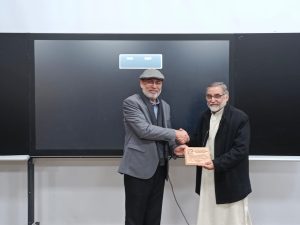
The seminar encouraged active engagement from students and faculty, fulfilling its core objective of strengthening awareness about Pakistan’s fiscal framework and its impact on provincial development. PAF-IAST continues to provide platforms that promote informed academic discussions and build the analytical capacity of its students as future policymakers and professionals.